

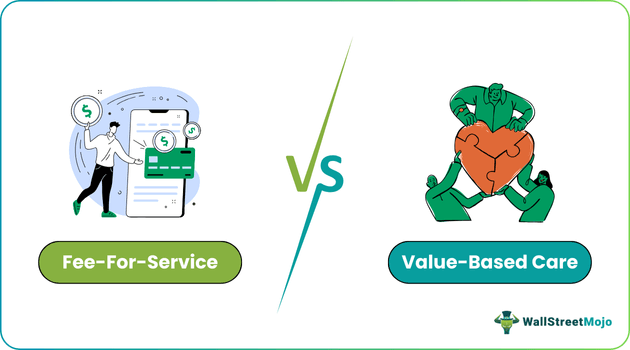
Value-Based Care vs. Traditional Care: What’s the Real Difference?
Let’s start with
a simple question: Would you rather pay for lots of doctor visits, or for
actually feeling healthier? That’s the big idea behind value-based care. For
seniors and their families, this shift can feel like a breath of fresh air-and
honestly, a bit of a relief.
Remember how your
aunt had to visit the doctor every time she sneezed?
Or how your dad’s
hospital bills seemed to multiply faster than rabbits in spring?
That’s the old
“fee-for-service” model for you-the more visits, the more tests, the more…
well, everything.
The only catch?
More didn’t always mean better.
Uncle Sharma-who joked that he was on a
first-name basis with every nurse at his clinic. “I’m not sure if I’m getting
healthier,” he quipped, “but I’m definitely helping the hospital pay for a new
wing!”
Instead of getting
paid for every little thing, healthcare providers get rewarded for keeping
seniors healthy and happy. It’s like having your own personal health
cheerleader-someone who’s rooting for you to avoid the ER and actually enjoy
life.
Mrs. Iyer, used to dread doctor’s appointments, mostly
because they always seemed to end with more pills and less fun. But when her
senior living community switched to value-based care, things changed. Now, she
gets regular check-ins, gentle reminders about her walks, and even a monthly
“healthy recipe swap” with her neighbours. And the best part? She hasn’t seen
the inside of an ambulance in over a year. Her words: “I’m too busy winning at
bingo to get sick!”
You might be
thinking, “Okay, but does this actually work?” Well, let’s just say the results
are in, and they’re pretty impressive. For example, one senior living community
saw a 10% drop in weekly ER visits and a 55% reduction in falls after switching
to value-based care. Residents reported being 25% happier, and even staff
satisfaction doubled. For families, this means less stress, fewer emergencies,
and more peace of mind-which, let’s face it, is a win for everyone, especially
the grandkids who hate hospital parking.
Let’s be honest:
healthcare can be expensive, especially for seniors. Value-based care helps by
focusing on prevention and early intervention. One study found that seniors
saved up to 11% on medical costs with this model. Fewer hospital stays and
better management of chronic conditions mean more money stays in your
pocket-and less worry about surprise bills. Fewer surprise bills, less
scrambling for extra funds-just more time and energy to enjoy life together.
What I love most
about value-based care is how it treats seniors like, well, people. It’s not
just about blood pressure and cholesterol (though those are important, too).
It’s about making sure Uncle Menon gets to play chess with his buddies, or
Auntie Gupta can join the morning yoga class without worrying about her knees.
Take Mrs. Rao, a
resident in a senior living community I know. She used to be in and out of the
emergency room for her diabetes. But when her community adopted value-based
care, things changed. Instead of waiting for her to get sick, her care team
checked in regularly, helped her with diet and exercise, and made sure she took
her medications. The result? Fewer hospital visits, more time with her
grandchildren, and a big smile on her face.
I once met a
resident who told me, “I used to feel like a patient. Now I feel like a
person.” That pretty much sums it up.
●
Traditional care = more
services, more bills, not always better health.
●
Value-based care = better
outcomes, happier seniors, and cost savings for families.It’s about prevention,
personalization, and treating each senior as a whole person.
So, if you’re
looking for senior living options, don’t forget to ask about value-based care.
It might just be the best thing since sliced bread-or at least since someone
invented afternoon tea.
If you’re
considering senior living for a loved one, ask about value-based care. It could
make all the difference-not just in health, but in happiness and peace of mind
for the whole family.
Pic Curtsey
https://www.wallstreetmojo.com/fee-for-service-vs-value-based-care/