

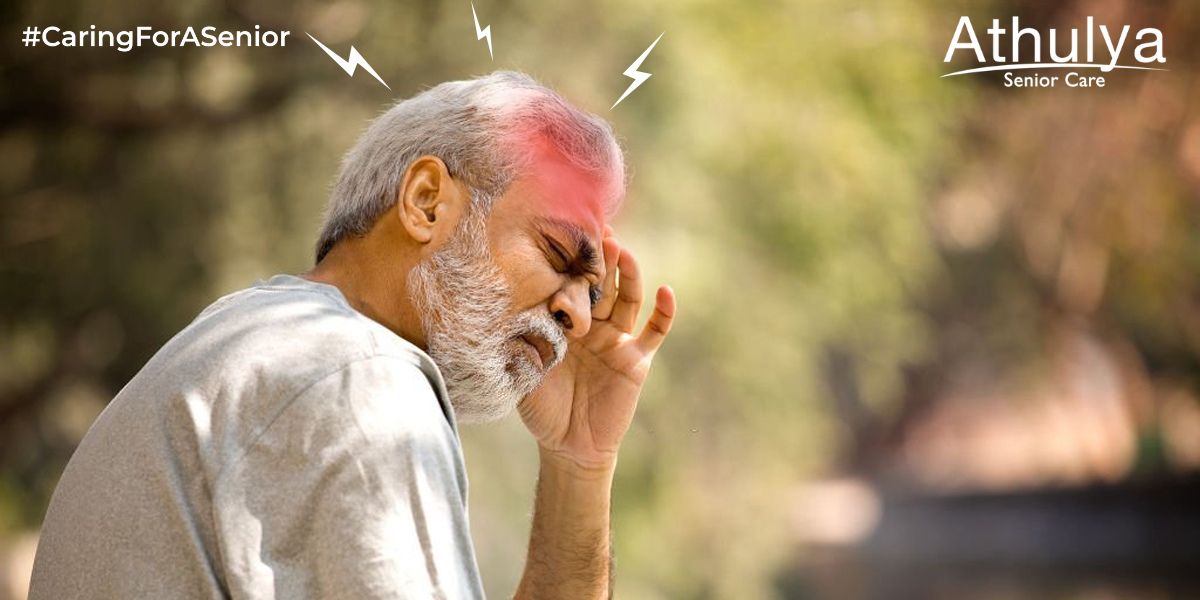
Imagine sitting with your loved one,
chatting away, when their words start getting jumbled or one side of their face
suddenly droops. It’s frightening, and it could be a stroke. Recognizing the
warning signs quickly can be life-saving, especially for seniors who are at
higher risk.
Stroke recovery doesn’t end at the hospital. That’s where transition care becomes essential. This stage bridges the gap between hospital and home, providing medical support, physical and speech therapy, and emotional care. Proper transition care plays a key role in preventing complications, reducing the chances of another stroke, and helping seniors regain confidence and independence.
1) Spot the Warning Signs Early
Time is everything when it comes to stroke. The faster it’s identified, the better the chances of recovery. Watch for these common warning signs :
- Sudden numbness or weakness in the face, arm, or leg, especially on one side
- Confusion or trouble speaking, including slurred speech
- Blurred or lost vision in one or both eyes
- Sudden dizziness or loss of balance
- A severe headache with no known cause
A simple trick to remember is F.A.S.T.:
- Face drooping
- Arm weakness
- Speech difficulty
- Time to call emergency services