

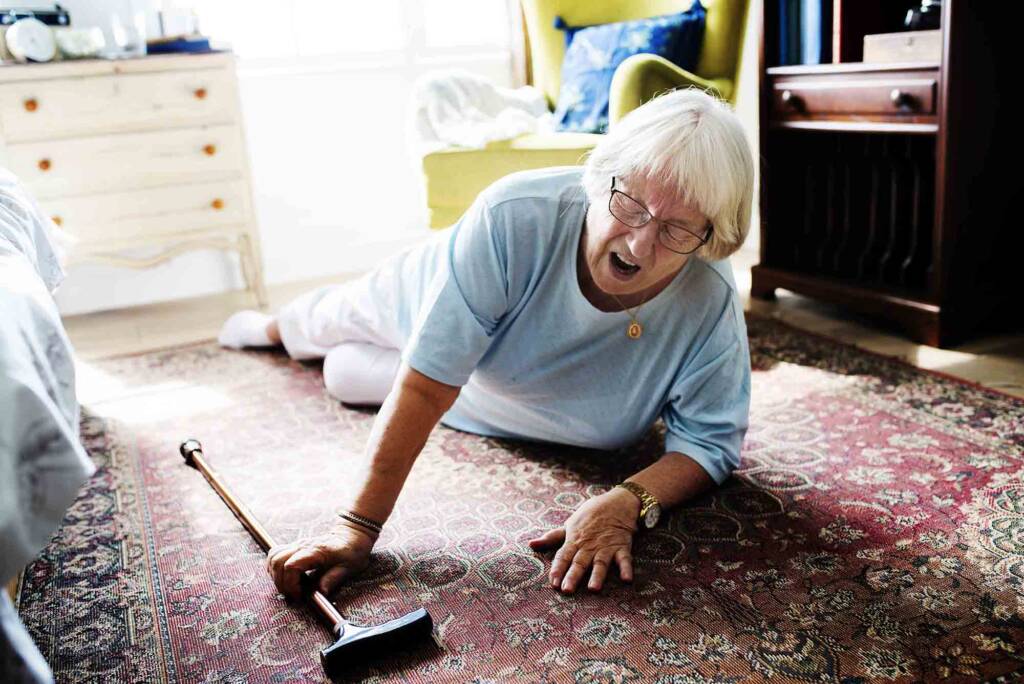
How to Prevent Falls at Home for Elderly Parents
A practical guide to keeping your loved ones safe, independent, and confident
As parents grow older, the home they once moved through effortlessly can become full of hidden risks. A small misstep, a slippery floor, or poor lighting can quickly turn into a serious fall.
According to the World Health Organization (WHO), falls are one of the leading causes of injury among older adults worldwide. But here’s the part people ignore until it’s too late: most falls are preventable.
This guide will help you create a safer home environment for your elderly parents without turning their independence into a prison sentence.
Why Do Falls Happen in Older Adults?
Aging naturally brings changes that increase fall risk:
- Reduced muscle strength and balance
- Poor vision or depth perception
- Slower reflexes
- Side effects from medications
- Chronic conditions like arthritis or dizziness
Now combine that with a cluttered home or dim lighting and you’ve basically built an obstacle course.
1. Make the Home Fall-Proof (Without Making It Look Like a Hospital)
Start with the basics:
- Remove loose rugs or secure them with anti-slip mats
- Keep floors clutter-free (no wires, random furniture, or “I’ll keep this here for now” items)
- Fix uneven flooring or tiles
Furniture matters:
- Ensure chairs and beds are at comfortable heights
- Avoid sharp-edged furniture in walking paths
A safe home doesn’t need to look clinical. It just needs to stop acting like it’s trying to trip your parents.
2. Improve Lighting in Every Corner
Poor lighting is one of the most underestimated causes of falls.
What to do:
- Install bright lights in hallways, stairs, and entrances
- Use night lights in bedrooms and bathrooms
- Place light switches within easy reach
If your parent has to “feel their way” in the dark, you’ve already lost the battle.
3. Bathroom Safety Is Non-Negotiable
Bathrooms are basically fall traps if left unchecked.
Essential upgrades:
- Install grab bars near toilets and inside showers
- Use non-slip mats inside and outside the shower
- Consider a shower chair for stability
Water + smooth tiles + weak balance = disaster waiting to happen.
4. Encourage Proper Footwear (Yes, Even at Home)
Walking barefoot or in loose slippers might feel comfortable, but it’s risky.
Choose footwear that:
- Has non-slip soles
- Fits well (not too loose, not too tight)
- Provides proper grip and support
Those old, worn-out chappals? Retire them before they retire your parent’s mobility.
5. Keep Frequently Used Items Within Reach
Climbing stools or stretching awkwardly is a classic fall setup.
Simple fix:
- Store daily-use items at waist or shoulder height
- Avoid placing essentials in high shelves
No one needs to do a mini-mountaineering expedition just to grab a cup.
6. Regular Health Check-Ups Matter More Than You Think
Sometimes the issue isn’t the house. It’s the body.
Monitor:
- Vision and hearing
- Blood pressure fluctuations
- Medication side effects
Consulting a doctor regularly helps catch risks before they turn into accidents.
7. Encourage Gentle Physical Activity
Strength and balance don’t maintain themselves.
Helpful activities:
- Walking
- Light stretching
- Balance exercises like Tai Chi
Even 15–20 minutes a day can significantly reduce fall risk. Not gym-level effort, just consistency.
8. Consider Assistive Devices When Needed
There’s a weird stigma around walkers and canes. Ignore it.
Useful aids:
- Walking sticks or canes
- Walkers
- Handrails along stairs
These aren’t signs of weakness. They’re tools for independence.
9. Stay Connected and Observant
If your parents live alone, regular check-ins are crucial.
- Watch for changes in walking patterns
- Notice hesitation or fear while moving
- Encourage open conversations about discomfort
Sometimes people don’t say anything because they don’t want to “be a burden.” That silence is where problems grow.
Final Thoughts
Preventing falls isn’t about wrapping your parents in bubble wrap. It’s about giving them a safe environment to live confidently.
Small changes at home can:
- Reduce injury risks
- Improve independence
- Bring peace of mind to the entire family
And frankly, it’s a lot easier to move a rug today than deal with a hospital tomorrow.
At Elkin - Premium Senior Living Communities in India, we understand the importance of safe, senior-friendly living. From trusted communities to expert-backed resources, we help families make informed decisions for their loved ones.